
Digital vs. Offset Printing: Which Is Right for Your Project?
When choosing a printing method for a business project, one of the biggest decisions is whether digital vs. offset printing is the right fit. Both processes produce high-quality results, but each has advantages depending on your project's quantity, timeline, budget, personalization needs, and finished-product requirements.
Digital printing is generally best for short-to-medium print runs, fast turnaround times, and personalized materials. Offset printing is often the better choice for high-volume printing, precise color requirements, specialty inks, and premium print applications.
At Omega High-Impact Print Solutions, we offer both digital and offset printing to help businesses choose the right process for every project.
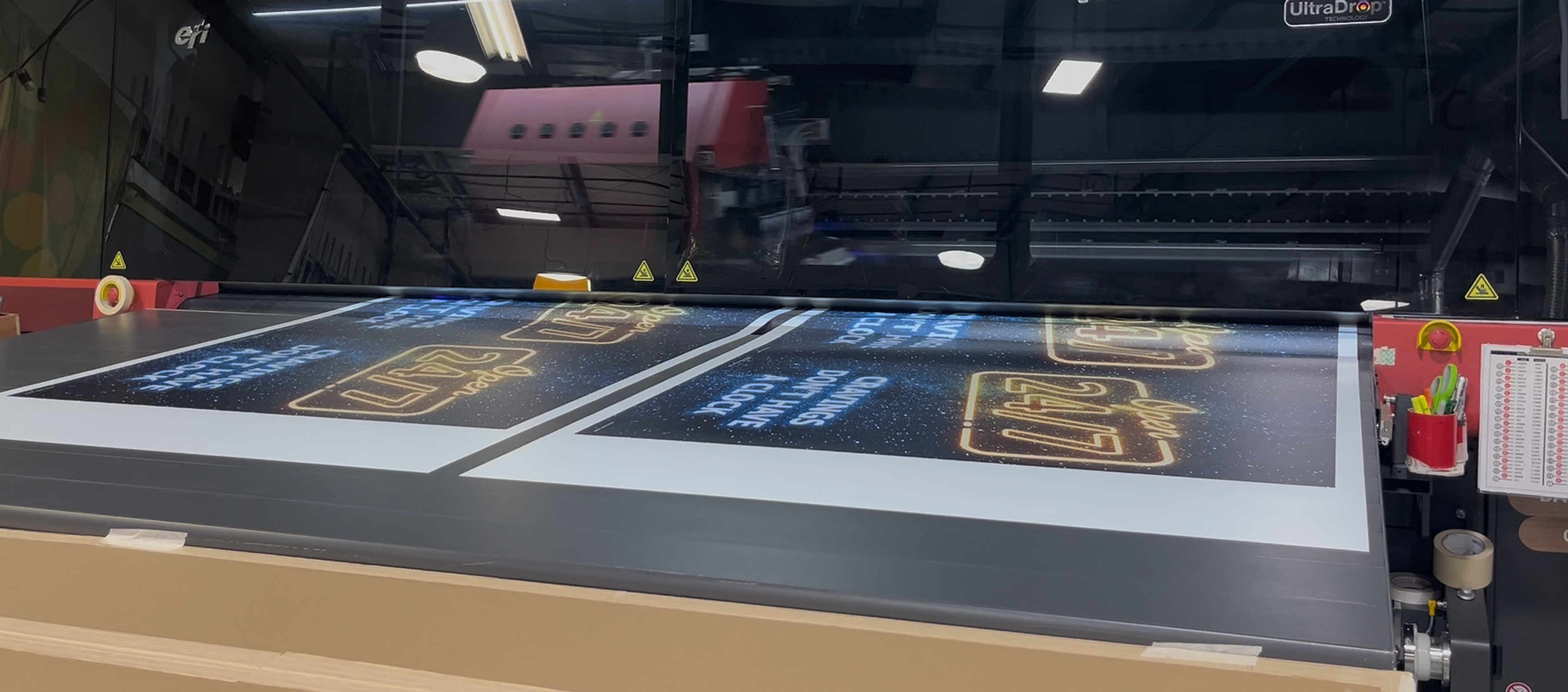
What Is Digital Printing?
Digital printing transfers digital artwork directly onto paper or another printable material without requiring traditional printing plates. Because there is less setup involved, digital printing is an efficient option for short-run and medium-volume projects.
Digital printing is commonly used for:
Brochures
Flyers
Postcards
Direct mail
Posters
Booklets
Catalogs
Personalized materials
Short-run publications
One of the biggest advantages of digital printing is flexibility. Businesses can produce smaller quantities, make changes between print runs, and personalize individual pieces. This makes digital printing particularly useful for personalized printing and variable data printing.
Benefits of Digital Printing
Fast Turnaround: Digital printing requires less setup, making it an excellent option when materials are needed quickly.
Short Runs: Digital printing is well suited for smaller quantities without the extensive setup associated with offset printing.
Personalization: Individual pieces can feature different names, addresses, images, offers, or other information.
Variable Data: Variable data printing allows businesses to customize individual pieces within the same print run.
What Is Offset Printing?
Offset printing is a traditional commercial printing process that uses printing plates to transfer an inked image onto a rubber blanket and then onto the final material.
While offset printing requires more initial setup, it becomes highly efficient for high-volume printing and large print runs. It also provides excellent color consistency and access to specialty inks and a wide range of paper stocks.
Offset printing is commonly used for:
High-volume brochures
Catalogs
Magazines
Annual reports
Corporate publications
Booklets
Premium print materials
Large-volume direct mail
Benefits of Offset Printing
High-Volume Efficiency: Offset printing is designed to efficiently produce large quantities of printed materials.
Color Consistency: Offset printing provides excellent color consistency across large print runs.
Specialty Inks: Offset printing offers options for specialty inks, including certain Pantone and metallic inks.
Paper and Finishing Options: Offset printing supports a wide range of paper stocks and finishing techniques.
Digital vs. Offset Printing: What's the Difference?
The primary difference between digital and offset printing is how the image is transferred to the printed material.
Digital printing produces the image directly from a digital file, while offset printing uses plates to transfer ink onto the material.
Feature | Digital Printing | Offset Printing |
Best for | Short and medium runs | Medium and high-volume runs |
Setup | Minimal | More extensive |
Turnaround | Generally faster | More setup required |
Personalization | Excellent | More limited |
Variable data | Excellent | More limited |
Color consistency | Excellent | Excellent |
Specialty inks | More limited | More options |
Large quantities | Good | Excellent |
Short quantities | Excellent | Less efficient |
The right choice depends on the specific requirements of your project. You can read more in this article.
Is Digital or Offset Printing Cheaper?
Neither printing method is always cheaper. The most cost-effective option depends on the quantity, materials, specifications, finishing requirements, and timeline of the project.
Digital printing costs are often lower for smaller quantities because there is minimal setup. Offset printing costs can become more economical for larger quantities because the initial setup costs are spread across a larger print run.
For example, producing 250 personalized postcards may make more sense digitally, while producing tens of thousands of standardized postcards may be more economical using offset printing.
When Should You Choose Digital Printing?
Digital printing is generally the better choice when you:
Need a fast turnaround
Are printing a smaller quantity
Need personalized or variable content
Need multiple versions of the same piece
Want to print on demand
Need short-run printing
For businesses producing personalized direct mail, digital printing provides the flexibility to customize individual pieces without creating separate print runs.
When Should You Choose Offset Printing?
Offset printing is generally the better choice when you:
Need a large quantity
Require consistent colors
Need specialty inks
Want a premium printed appearance
Are producing a standardized piece at high volume
Need specific paper or finishing options
For high-volume printing, offset printing can provide excellent efficiency and consistency across a large production run.
Can You Use Both Digital and Offset Printing?
Yes. Businesses can use both printing methods depending on the project.
For example, a company could use offset printing for a large annual catalog while using digital printing for smaller quantities of personalized sales materials.
Working with a commercial printing partner that offers both technologies gives businesses the flexibility to choose the most effective process for each project.
Digital vs. Offset Printing for Direct Mail
Both digital and offset printing can be effective for direct mail printing.
Digital printing is particularly useful for personalized direct mail because individual pieces can contain different names, addresses, images, offers, or other variable information.
Offset printing can be advantageous for large-volume direct mail campaigns where the same design is being produced in substantial quantities.
The best option depends on the campaign's quantity, personalization requirements, budget, and turnaround time.
Which Printing Method Has Better Quality?
Both digital and offset printing can produce professional, high-quality results.
Offset printing is often preferred when exact color matching, specialty inks, and premium production requirements are priorities. Modern digital presses can also produce excellent image quality while providing advantages for short runs and personalized materials.
Digital vs. Offset Printing: Which Is Right for Your Project?
The answer depends on your project's specific needs.
Choose digital printing if speed, flexibility, personalization, and smaller quantities are your priorities.
Choose offset printing if you need high-volume production, consistent colors, specialty inks, or specific premium print requirements.
Still not sure which printing process is right for your project? Omega High-Impact Print Solutions can help. Our team can evaluate your quantity, materials, artwork, timeline, finishing requirements, and budget to recommend the most effective printing solution.
With more than 70 years of experience, state-of-the-art printing technology, creative services, installation, and fulfillment, Omega provides comprehensive print solutions under one roof.
Ready to find the right printing solution for your project? Contact Omega High-Impact Print Solutions or request a quote today.
FAQs
What Is the Main Difference Between Digital and Offset Printing?
Digital printing produces images directly from a digital file, while offset printing uses plates to transfer ink onto the printed material.
Is Digital Printing Better Than Offset Printing?
Not necessarily. Digital printing is generally better for short runs, fast turnaround, and personalization, while offset printing is often better for high-volume projects and specialty printing requirements.
Is Offset Printing Cheaper Than Digital Printing?
Digital printing is often more economical for smaller quantities, while offset printing can become more cost-effective for larger quantities.
Can Digital Printing Be Personalized?
Yes. Digital printing is particularly well suited for personalized printing and variable data printing.
Does Offset Printing Produce Better Color?
Offset printing is known for excellent color consistency and specialty color options, but modern digital presses can also produce high-quality, accurate color.
How Do I Choose Between Digital and Offset Printing?
Consider your quantity, turnaround time, personalization needs, color requirements, materials, finishing, and budget. A commercial printing professional can help determine the best option.


Comments