
How Much Does Commercial Printing Cost?
Written by Jamie Cloak, Director of Sales & Marketing at Omega High-Impact Print Solutions
If you're planning a commercial print project, one of the first questions you're likely to ask is: How much does commercial printing cost? The answer depends on several factors, including the type of printed piece, quantity, size, paper or material, finishing, color requirements, artwork, and turnaround time. Because every print project is different, there isn't one standard price for commercial printing. Instead, understanding what goes into a commercial printing estimate can help you plan your project and get a more accurate quote.

What Is Commercial Printing?
Commercial printing is professional printing produced for businesses, organizations, and other large-scale applications. It can include products such as:
Business cards
Brochures
Flyers
Postcards
Booklets
Catalogs
Presentation folders
Posters
Menus
Rack cards
Direct mail pieces
Variable data printing
Large-format graphics and signage
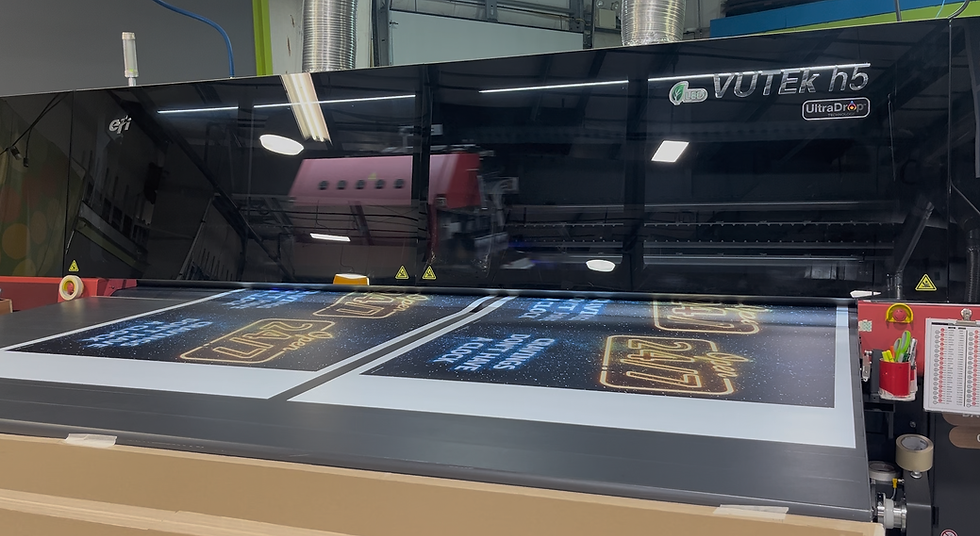
Commercial printers use professional production equipment designed to produce consistent, high-quality results at quantities and specifications that may not be practical for a standard office printer. Read more in this article called What is Commercial Printing?
What Determines the Cost of Commercial Printing?
Several factors can affect the cost of a commercial printing project.
1. Quantity
The number of pieces you need is one of the most important factors in determining the cost of a print project.
Ordering a larger quantity doesn't necessarily mean the cost increases at the same rate. Depending on the project, producing more pieces can reduce the cost per piece because setup and production costs are spread across a larger quantity. For this reason, it's often helpful to determine both how many pieces you need immediately and whether you may need additional pieces in the near future.
2. Size and Format
The finished size and overall format of a printed piece can affect production requirements. A standard flat flyer, for example, may require a different production process than a folded brochure, booklet, or custom-sized piece. Projects with multiple panels, unusual dimensions, or special formats may require additional production steps.
3. Paper and Material
The stock or material you choose can significantly affect the overall cost. Commercial printing can be produced on many different types of paper, including:
Uncoated stocks
Gloss stocks
Matte stocks
Cardstocks
Specialty papers
Synthetic materials
The appropriate material depends on how the finished piece will be used, how long it needs to last, and the look and feel you're trying to achieve.
4. Color and Printing Method
Full-color printing is common for marketing materials, but the printing method and color requirements can vary by project. Commercial printers may use different technologies based on the quantity, application, substrate, and desired result. Some projects may be better suited for digital printing, while others may benefit from offset printing or another production method. At Omega, we can recommend the most appropriate process based on your project's specifications.
5. Finishing
Printing is only one part of the production process. Finishing refers to what happens to the printed piece after it comes off the press or printer. Depending on the project, this could include:
Folding
Cutting
Trimming
Scoring
Binding
Drilling
Laminating
Die cutting
Perforating
Packaging
The more production and finishing steps a project requires, the more those processes can contribute to the final estimate. At Omega, we have a wide range of finishing applications.
6. Artwork and File Preparation
The condition of your artwork can also affect the project. Print-ready files that are properly sized and prepared with the correct resolution, color settings, bleeds, fonts, and other specifications can generally move into production more efficiently. If artwork needs to be created, modified, resized, or prepared for production, graphic design or prepress services may be needed.
7. Turnaround Time
How quickly you need your project can also influence the production process. A standard production schedule may provide more flexibility than a rush project that requires a printer to prioritize production, coordinate additional labor, or adjust its normal workflow. If you have a specific deadline, provide it when requesting a quote so the printer can determine the best production schedule.
Why Commercial Printing Estimates Vary
Two projects that appear similar can have very different production requirements. For example, two companies may both request 5,000 brochures, but the final estimates could differ because one project uses a different paper stock, fold, finished size, coating, or turnaround time.
That's why a commercial printer generally needs more information than simply the quantity to provide an accurate estimate.
What Information Should You Provide for a Printing Quote?
The more details you can provide, the easier it is for a commercial printer to determine the appropriate production method and prepare an accurate estimate. When requesting a quote, consider providing:
Product type
Finished size
Quantity
Number of pages or panels
Paper or material preference
Color requirements
Folding or finishing requirements
Artwork specifications
Delivery location
Required in-hand date
If you're unsure about the best specifications, Omega can help you determine the most appropriate options for your project.
Is Commercial Printing Cheaper in Larger Quantities?
It can be. Commercial printing often benefits from economies of scale, meaning the cost per piece may decrease as quantity increases. However, the relationship between quantity and cost depends on the specific printing process, materials, finishing, and production requirements. Rather than assuming that ordering the largest possible quantity is always the best option, consider how many pieces you realistically expect to use. Your printer can help you compare quantities and determine what makes the most sense for your project.
How Can You Get an Accurate Commercial Printing Estimate?
The best way to determine the cost of commercial printing is to request a project-specific estimate.
Instead of looking for a generic price per flyer, brochure, business card, or postcard, provide the printer with your exact specifications. This allows them to evaluate the materials, equipment, labor, finishing, and other requirements involved in producing your project. At Omega High-Impact Print Solutions, we work with businesses to determine the right specifications and production approach for their printing needs. Whether you need marketing materials, direct mail, business stationery, booklets, or other commercial printing, we can help you identify the options that fit your project.
Frequently Asked Questions About Commercial Printing Costs
How much does commercial printing cost?
There is no single price for commercial printing. The cost depends on factors such as quantity, size, paper, color, finishing, artwork, printing method, and turnaround time. A project-specific estimate is the best way to determine the actual cost.
What is the biggest factor affecting printing cost?
Quantity is an important factor, but it isn't the only one. Paper selection, finished size, printing method, finishing, artwork requirements, and turnaround time can all affect the final estimate.
Does ordering more printed pieces lower the cost per piece?
Often, yes. Commercial printing can benefit from economies of scale, so the cost per piece may decrease at higher quantities. The exact savings depend on the project.
Does paper affect commercial printing costs?
Yes. Different paper stocks have different characteristics and production costs. Your printer can help you select a stock based on your desired appearance, durability, and application.
Does finishing increase the cost of printing?
Finishing processes such as folding, cutting, binding, laminating, and die cutting add additional production steps and can therefore affect the total project cost.
Can a printer help me choose the right specifications?
Yes. If you're unsure about paper, size, finishing, quantity, or printing method, a commercial printer can help you evaluate the options before production begins.
The Bottom Line
How much does commercial printing cost? It depends on the project. There isn't a universal price that applies to every commercial printing job because every project has different specifications and production requirements. The most accurate approach is to provide your printer with the details of your project and request a customized estimate.
By understanding the factors that influence commercial printing costs - quantity, size, materials, printing method, finishing, artwork, and turnaround time - you can make more informed decisions and choose the right printing solution for your business.
Have a commercial printing project in mind? Contact Omega High-Impact Print Solutions to discuss your project and request an estimate.


Comments