
Discover the Power of Wide Format Printing for Your Business
Updated: Aug 10
Wide format printing has transformed how businesses, artists, and event organizers create large-scale visuals. Whether you need a banner for a trade show, a mural for a storefront, or a detailed architectural blueprint, wide format printing offers the size and quality required to make a strong impression. This post explains what wide format printing is, how it works, and why it might be the right choice for your next project.

What is Wide Format Printing?
Wide format printing refers to printing on materials wider than standard printers can handle, typically starting at 18 inches and going up to 100 inches or more. This technology allows for large, high-resolution prints on various substrates, including vinyl, fabric, paper, and canvas. It's a game-changer for businesses looking to make a big impact.
How Wide Format Printing Works
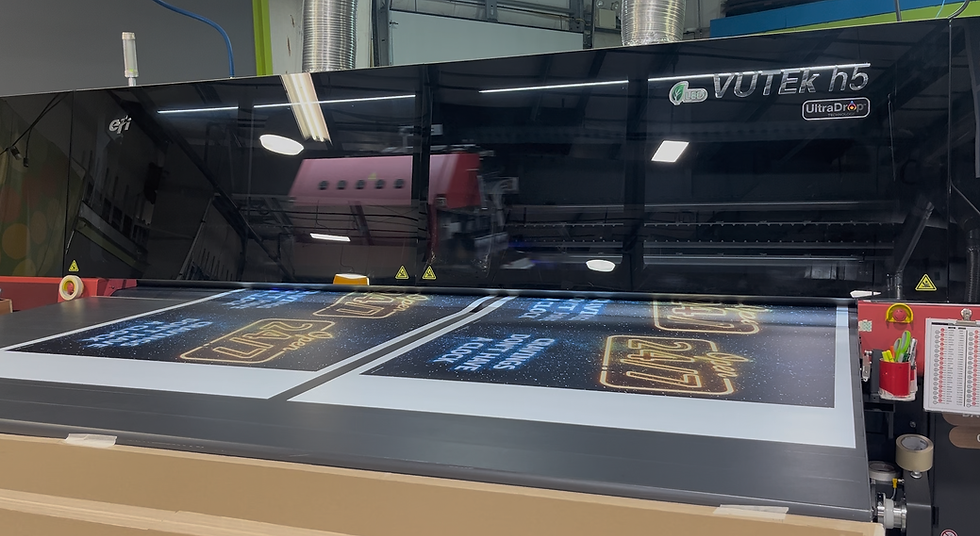
Wide format printers use inkjet technology, similar to home printers but on a much larger scale. These printers spray tiny droplets of ink onto the printing surface to create detailed images. The ink types vary depending on the printer and intended use:
Solvent inks: Durable and water-resistant, ideal for outdoor signage.
UV-curable inks: Cured instantly with ultraviolet light, suitable for rigid materials.
Eco-solvent inks: Less toxic and environmentally friendly, good for indoor use.
Latex inks: Water-based and flexible, often used for vehicle wraps and banners.
The printing process starts with a digital file, usually a high-resolution image or vector graphic. The printer reads this file and applies ink precisely, layer by layer, to build the final image. The ability to print on different materials makes wide format printing versatile for many applications.
Common Uses of Wide Format Printing

Wide format printing serves many industries and purposes. Here are some of the most popular uses:
Advertising and Marketing
Large banners, posters, and billboards grab attention from a distance. Businesses use wide format prints to promote events, sales, or brand messages. This is an effective way to enhance brand visibility.
Retail Displays
Window graphics, point-of-sale displays, and floor decals help stores create engaging shopping experiences. These elements can significantly boost customer engagement.
Event Signage
Trade shows, conferences, and festivals rely on wide format prints for directional signs, backdrops, and booth graphics. Clear signage is crucial for guiding attendees.
Art and Photography
Artists and photographers print large reproductions of their work on canvas or fine art paper for exhibitions or sales. This allows them to showcase their talent on a grand scale.
Architectural and Engineering Plans
Blueprints and technical drawings require precise, large-scale printing for easy reading and collaboration. This is essential for effective project management.
Choosing the Right Material
The choice of material affects the durability, appearance, and cost of your print. Here are some common options:
Vinyl
Durable and weather-resistant, vinyl is perfect for outdoor banners and vehicle wraps.
Canvas
Offers a textured, artistic look, often used for fine art reproductions.
Paper
Available in various finishes, paper suits posters and indoor signage.
Fabric
Lightweight and flexible, fabric is ideal for trade show displays and flags.
Backlit Film
Designed for lightboxes, this material enhances visibility in low-light conditions.
Selecting the right material depends on where and how the print will be used. For example, outdoor signs need materials that resist fading and moisture, while indoor displays can focus more on color vibrancy and texture.
Benefits of Wide Format Printing

Wide format printing offers several advantages over traditional printing methods:
Large Size
Print images and text at sizes that stand out and communicate clearly from a distance.
High Quality
Modern printers deliver sharp details and vibrant colors, even on large surfaces.
Versatility
Print on a wide range of materials for different uses and environments.
Customization
Easily produce one-off prints or short runs tailored to specific needs.
Speed
Digital printing eliminates the need for plates or screens, speeding up production.
Tips for Getting the Best Results
To ensure your wide format prints look professional and last long, consider these tips:
Use High-Resolution Files
Images should be at least 150-300 dpi at full size to avoid pixelation.
Choose the Right Color Profile
Work with your printer to select color settings that match your design intent.
Consider Viewing Distance
Larger prints viewed from far away can use lower resolution, while close-up displays need finer detail.
Plan for Finishing
Laminates, coatings, and mounting options can protect your print and improve appearance.
Work with Experienced Providers
Professional print shops can advise on materials, inks, and file preparation.
Common Challenges and How to Avoid Them
Wide format printing can present some challenges, but knowing them helps you avoid costly mistakes:
Color Mismatch
Colors may look different on screen than in print. Request proofs or samples before final printing.
Material Compatibility
Not all inks work on every substrate. Confirm your printer supports your chosen material.
File Size and Format
Large files can be difficult to handle. Use formats like TIFF or PDF and compress files without losing quality.
Durability Issues
Outdoor prints need UV-resistant inks and weatherproof materials to last.
Future Trends in Wide Format Printing
Technology continues to improve wide format printing capabilities:
Faster Printers
New models print larger areas more quickly without sacrificing quality.
Eco-Friendly Inks
Water-based and biodegradable inks reduce environmental impact.
3D Printing Integration
Combining wide format prints with 3D elements adds depth and texture.
Smart Materials
Prints that change color or display information dynamically are emerging.
These trends will expand the possibilities for creative and functional large-scale printing.
Conclusion
Wide format printing is a powerful tool for businesses looking to enhance their marketing efforts. With its versatility and high-quality output, it can help you create stunning visuals that capture attention.
Contact us for all of your wide format and large format needs!
Let’s work together to elevate your brand visibility and achieve marketing success through integrated services.


Comments